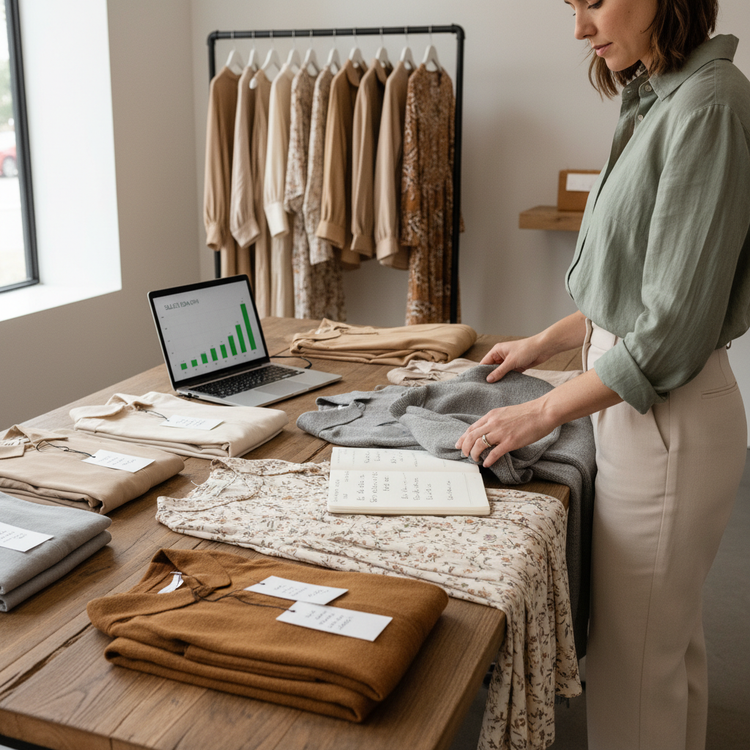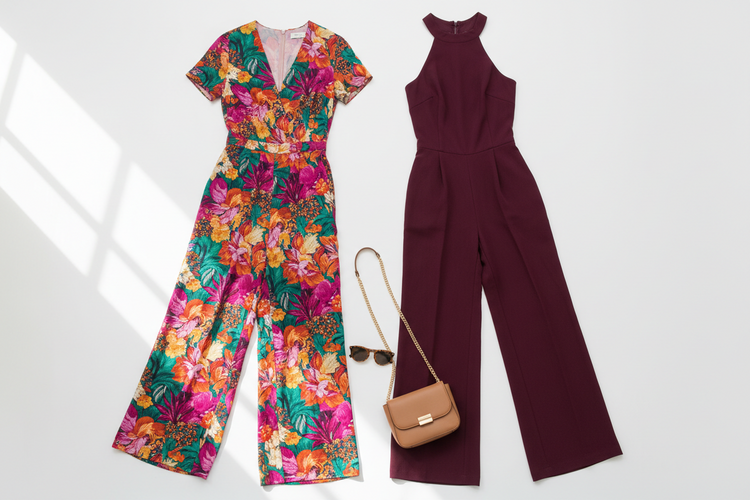

Women over 40 make up a significant share of the customer base for most independent boutiques, and they tend to be reliable, repeat spending customers when a retailer gets the stock selection right. The problem is that a lot of buying decisions in this category are still made on instinct rather than on what this customer actually spends money on.
This guide breaks down what genuinely sells to this age group, how to size and merchandise for them, and where retailers commonly get their buying wrong.
Why the Over 40 Customer Matters for Boutiques
This customer group typically has more disposable income than younger shoppers and tends to be less price sensitive, provided the fit and fabric quality justify the cost.
She is also more likely to become a repeat customer once she trusts a shop stock and sizing, which makes her considerably more valuable over time than a one off, trend chasing buyer. Building a stock range that keeps her coming back is one of the more reliable ways to grow steady, predictable revenue.
What This Customer Actually Buys
Buying decisions in this category tend to be driven by comfort, fit, and fabric quality more than by chasing the latest trend.
-
Relaxed, well cut pieces that skim rather than cling
-
Natural fabrics such as linen, cotton, and wool over synthetic blends
-
Versatile pieces that work across several occasions rather than one off statement items
-
Neutral and muted colours, with the occasional considered accent piece
Best Selling Silhouettes for This Age Group
Wide leg and barrel leg trousers, midi length dresses, and relaxed tailoring consistently outperform tighter, more fitted cuts in this category.
These silhouettes flatter a wider range of body shapes, which reduces returns and increases the chance a customer buys with confidence rather than needing to try several sizes before committing to a purchase.
Tops That Perform Well With This Customer
Loose fitting tops in natural fabric, particularly relaxed knits and soft blouses, are reliable, low risk stock for this customer group.
These pieces also tend to have a long shelf life on the rail, since they are not tied to a specific trend cycle, which makes them easier to reorder confidently once a style proves it sells.
Dresses Worth Keeping in Stock
Midi length wrap dresses and shirt dresses are consistently strong sellers, since both define the waist without requiring a tight fit and work across multiple occasions.
Stocking a small, rotating range of these dresses in your core neutral colours, alongside one or two seasonal colourways, tends to outperform chasing a wider range of one off statement dresses that only suit a narrower customer base.
Trousers That Sell Reliably
Wide leg trousers with a mid to high rise waist, in natural fabrics such as linen or cotton blends, are among the most dependable repeat sellers in this category.
Because this style flatters a broad range of body shapes, it tends to have a lower return rate than fitted or low rise alternatives, which also protects margin by reducing the cost and time associated with processing returns.
Sizing Considerations for This Customer Base
Stocking a genuinely broad size range matters more for this customer than for a younger, more trend focused shopper, since she is less likely to compromise on fit for the sake of a style she likes.
Retailers who stock a narrow size range in this category often lose sales simply because a customer cannot find her size, even when she genuinely likes the piece and would otherwise have bought it.
How to Merchandise for This Customer
Group pieces by outfit rather than by category, since this customer often prefers to see a complete, coordinated look rather than piecing one together herself from separate rails.
Clear signage around fabric and fit, such as noting a relaxed cut or a natural fabric, also helps this customer make a confident buying decision without needing to ask staff every detail before trying something on.
Common Buying Mistakes Retailers Make
A few recurring mistakes explain why some retailers underperform in this category despite strong customer demand.
-
Buying too heavily into fitted, trend led cuts that do not suit this customer
-
Stocking too narrow a size range and losing sales to poor fit availability
-
Underestimating how much this customer will spend on genuine quality
-
Ignoring fabric composition, which this customer often checks closely before buying
Building a Reliable Reorder List
Track which silhouettes, fabrics, and colours sell fastest within this specific customer segment, rather than relying on general sales data across your whole customer base.
Once a style proves itself with this customer, reordering it consistently, rather than replacing it with something new each season, tends to build the kind of loyal, repeat buying relationship that makes this segment so valuable to a boutique in the first place.