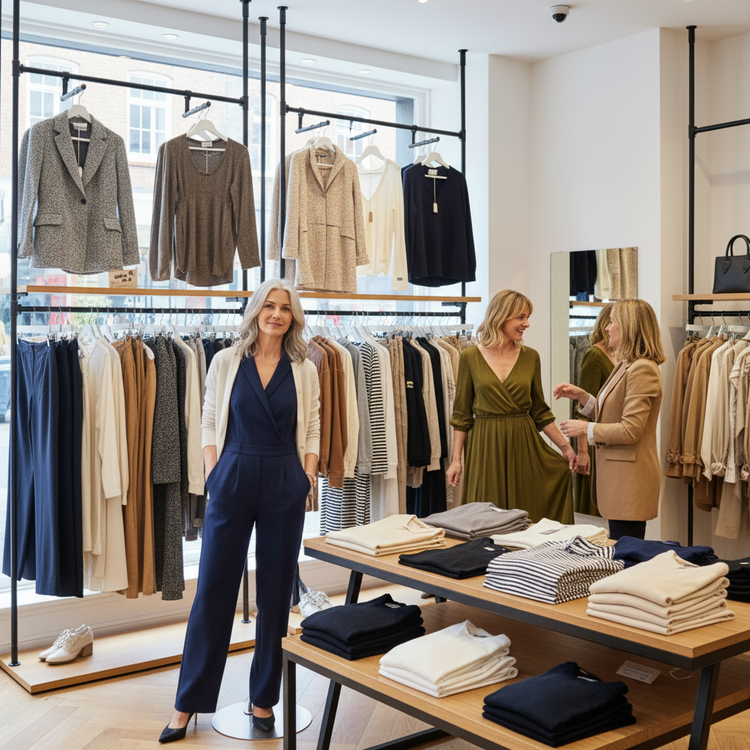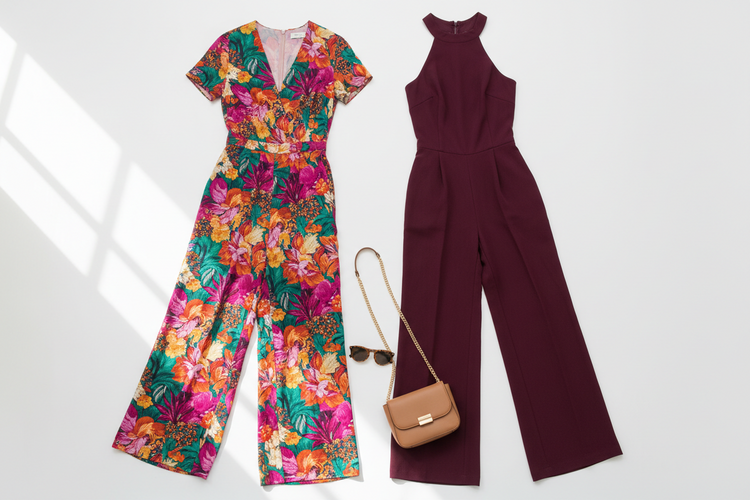

Independent shops compete on something the high street chains can’t easily replicate: pieces a customer won’t find in five other stores on the same street. That shapes what actually counts as best selling clothing for boutiques, and it’s often different from what performs best for a big retailer with buying power and a huge customer base.
Here’s what’s genuinely working for independents right now.
What clothing sells best in a boutique
Everyday tops and tunics remain the volume engine for most independents. They’re an easy first purchase for a customer who doesn’t know your shop yet, and they sell repeatedly to regulars in a way that bigger-ticket items don’t. This is consistently among the best selling clothes for boutiques we hear about from retailers, and it’s rarely the most exciting category, but it pays the bills.
Occasion dresses carry the strongest margin of anything most boutiques stock, concentrated into wedding season from spring through to autumn and a second run around Christmas. This is where best selling women’s clothing for an independent tends to generate the most profit per sale, even though volume is lower than everyday categories.
Natural fabric pieces, linen, good cotton, viscose blends, consistently outperform synthetic equivalents at similar price points, particularly with the core 35-plus customer most boutiques serve. Popular boutique clothing in this category tends to sell on how it feels as much as how it looks.
Distinctive, harder-to-find styles, lagenlook, Made in Italy pieces, well-chosen prints, perform disproportionately well for independents specifically, because the whole appeal of shopping local rather than at a chain is finding something different. This is one of the clearer differences between what clothes sell best at a boutique versus a big high street retailer.
Extended size ranges are consistently under-served on the high street, and boutiques that stock properly beyond a size 16 report strong, reliable sell-through in those sizes precisely because availability elsewhere is poor.
What’s most profitable to sell
The most profitable clothing to sell isn’t always the same as the fastest-moving. A £30 occasion dress at a healthy markup earns more per sale than a £12 top, but sells in far smaller numbers and far less often across the year. The strongest-performing boutiques track both figures rather than just watching what flies off the rail, since the two together tell you where your actual profit is coming from.
Categories with the highest profit margin tend to be occasionwear and anything with genuine scarcity value, a print or style a customer can’t easily find elsewhere. Categories with the highest profit margin but low volume are worth stocking in careful, considered quantities rather than heavily, since a slow-moving expensive dress ties up more capital sitting on a rail than a slow-moving cheap top does.
What clothing sells all year round
Tops, trousers and knitwear (in season) are the categories that genuinely sell all year round, forming the steady backbone of most boutique stock lists. Layering pieces, cardigans and lightweight jackets, extend their season further than most retailers expect, since UK weather rarely commits to one season cleanly.
Stocking guidance for independent shops
For what should I stock in my clothing boutique as a starting structure: build breadth in tops, trousers and everyday pieces, since that’s where footfall converts most reliably. Add depth carefully in occasionwear, timed ahead of wedding and party seasons rather than during them. And use whatever gives you genuine differentiation, a strong print, a natural fabric, an Italian-sourced range, as the thing that pulls customers in past the high street chains nearby.