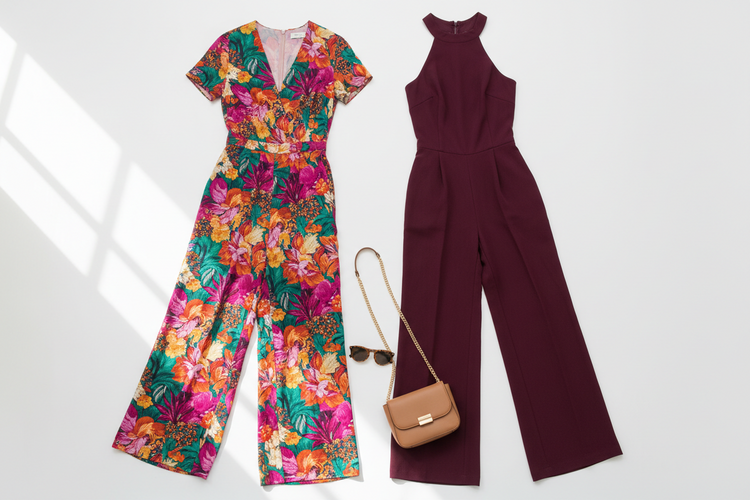

Every boutique buying decision is really two decisions stacked together: what to buy, and how much of it. Get the quantity wrong and even a good style becomes a problem, either sold out within a week while customers walk away, or sitting on the rail into a markdown you didn’t plan for. This is a practical guide to how to choose boutique stock properly, from picking a supplier through to deciding how many units to commit to.
How to choose clothing stock that will actually sell
Start with your actual customer, not your own taste. The most common boutique stock mistake is buying what the owner would wear personally rather than what their specific customer base buys. Be precise: their age range, what they’re shopping for, and what they’ll spend without hesitating versus what they’ll only buy reduced.
From there, how to choose wholesale clothing for your shop comes down to three checks on any style before it goes on your order: does it suit your customer specifically, does the fabric and finish match what you’d want to put your name behind, and can you afford to be wrong about it if it doesn’t sell.
Choosing a clothing wholesaler for your boutique
How do I choose a clothing wholesaler for my boutique is really a question about risk. A supplier with no minimum order lets you test a style with one or two pieces before committing further, which matters enormously when you don’t yet have data on what a specific style will do for your specific customers. A supplier with high minimums forces you to bet more heavily on every decision, which only makes sense once you already know what sells.
Beyond minimums, weigh: can you see or sample the fabric before ordering in volume, how quickly do they restock so you can reorder a winner, and are their sizing measurements accurate enough that what arrives matches what a customer expects. Choosing clothing suppliers well is less about finding the cheapest unit price and more about finding one whose terms match how much risk you can actually take on right now.
How much stock should a small boutique buy
Less than instinct suggests, and spread across more styles rather than concentrated in a few. A common and costly mistake is spending most of an opening budget on three or four styles bought in depth, then having nothing left to test alternatives once you learn which of those three actually sell.
A steadier structure: buy six to eight styles in smaller quantities rather than three in larger ones, hold back roughly a third of the budget to reorder whatever moves fastest, and treat the first order explicitly as research rather than a finished collection. How many items should a boutique stock varies hugely by shop size, but the principle holds regardless of scale, spread the early risk, concentrate later once you have evidence.
How to know what clothing will sell
Three sources are more reliable than instinct. Your own sales data, once you have any, beats general advice including this article. What customers ask for and can’t currently find in your shop is close to free market research, if several people this month asked for something specific, that’s worth acting on. And watching which of your test styles moves fastest in the first two weeks tells you where to concentrate your next order.
How do I avoid buying clothing that does not sell is really the same question in reverse: buy in small enough quantities on anything unproven that a miss costs you little, and only commit larger volume to styles you already have evidence for.
Choosing the right clothing sizes to stock
This is where a lot of first-time buyers under-invest. Extended sizes are consistently under-stocked relative to demand, and boutiques that commit to a proper size range beyond a 16 generally report strong sell-through in exactly those sizes, precisely because customers struggle to find them elsewhere. Get real measurements from your supplier rather than trusting a label alone, since sizing standards vary meaningfully between brands and countries.
What makes good boutique clothing stock
Pulling this together: stock chosen for your specific customer rather than your own taste, sourced from a supplier whose minimum order matches how much risk you can currently absorb, bought broad and shallow while you’re still learning and narrow and deep once you have evidence, with a size range that actually covers who’s asking to buy from you.