
Linen has a habit of being treated as a summer only fabric, pulled out for a few warm months and packed away for the rest of the year. That reputation undersells it. With the right layering, linen works from spring through winter, and it comes with a list of practical benefits that few other fabrics can match.
This guide covers what actually makes linen worth wearing, how to care for it properly, and how to style it well beyond the beach.
What Makes Linen Clothing So Popular?
Natural fibres explained
Linen is woven from flax, a plant fibre that is naturally strong, breathable, and biodegradable.
Unlike synthetic fabric, flax fibre does not trap heat or moisture against the skin, which is a large part of why linen has remained a wardrobe staple for thousands of years, long before synthetic alternatives existed.
Why linen never goes out of fashion
Linen relaxed, slightly textured look has stayed consistently in style because it pairs equally well with casual and smarter outfits.
Designers keep returning to it season after season for exactly that versatility, and its natural texture gives garments a lived in character that synthetic fabrics generally struggle to replicate convincingly.
What Are the Benefits of Wearing Linen Clothing?
Breathability
Linen loose weave structure allows air to pass through the fabric far more easily than tighter woven materials, which keeps the body noticeably cooler in warm conditions.
This makes it a practical choice not just for appearance but for genuine comfort during long, hot days.
Comfort
Once broken in, linen softens considerably, developing a relaxed, comfortable feel that many people prefer to the stiffer texture of new cotton.
That softening process happens gradually with each wash, so the fabric genuinely improves the more it is worn and cared for.
Moisture control
Flax fibre absorbs and releases moisture quickly, which helps linen garments feel drier against the skin than many alternatives during hot weather.
This quality is part of why linen has traditionally been favoured in warm, humid climates around the world.
Durability
Linen fibre is naturally strong, and well made linen garments can last for decades with proper care, often outlasting cotton equivalents.
That strength also means linen tends to resist the thinning and pilling that shortens the life of many other fabrics.
Is Linen Suitable for Every Season?
Spring styling
A lightweight linen shirt or dress works well in spring, layered with a light knit on cooler mornings and evenings.
This makes spring one of the easiest seasons to introduce linen into a wardrobe, since temperatures rarely demand heavier layering.
Summer outfits
This is linen natural home, worn alone in relaxed dresses, shirts, and trousers that keep the body cool through peak heat.
Few other fabrics manage the same combination of comfort and breathability during the hottest months of the year.
Autumn layering
A linen shirt or dress can transition into autumn by adding a wool or cotton knit layer and swapping sandals for boots.
This kind of layering means the same pieces bought for summer do not need to be retired the moment temperatures start to drop.
Winter layering
Heavier weight linen blends, layered under a wool coat, can still work in winter, though pure lightweight linen is better suited to milder seasons.
Treating linen as one layer among several, rather than the outermost piece, is the key to making it work through colder months.
Linen vs Cotton: Which Fabric Is Better?
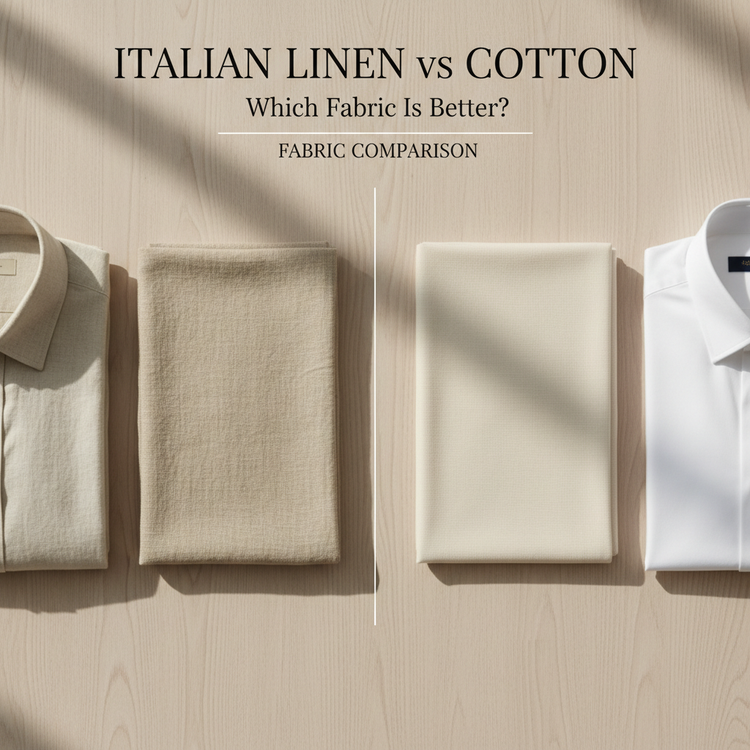
Neither fabric is better across the board, they suit different priorities.
Linen offers superior breathability and long term durability but creases more easily. Cotton offers a smoother, lower maintenance finish but is generally less breathable in genuinely hot weather. Many wardrobes benefit from including both rather than choosing only one, using each for the situations where it performs best.
Does Linen Become Softer Over Time?
Yes, linen is well known for softening with every wash and wear.
New linen can feel slightly crisp or stiff, but repeated washing breaks down that initial stiffness, leaving a fabric that feels noticeably softer and more relaxed after several months of regular use. Many long term linen wearers consider this gradual softening one of the fabric’s most appealing qualities.
How to Wash and Care for Linen Clothing
Linen is easier to care for than its reputation suggests, provided a few basic habits are followed consistently.
-
Wash on a cool or lukewarm cycle using a gentle detergent
-
Avoid high heat drying, which can weaken the fibre over time
-
Air dry where possible rather than using a tumble dryer
-
Iron while still slightly damp, using a lower heat setting
Common Myths About Linen Clothing
One common myth is that linen cannot be worn outside summer, when in fact it layers well across most of the year with the right pieces added on top.
Another is that creasing means the fabric is low quality, when creasing is simply a natural characteristic of the fibre. A third myth is that linen is high maintenance, when in reality it mainly just needs cooler washing and gentler drying than synthetic fabric requires.
Why Italian Linen Is Considered Premium
Italian mills are known for careful fibre selection and finishing processes that improve softness while keeping the fabric strong, which is why Italian linen carries a reputation for particularly good quality.
That reputation, combined with consistent supply and finishing standards, is why many retailers specifically seek out linen sourced from Italy rather than settling for a less consistent, mass produced alternative.
How to Style Linen Clothing for Everyday Wear
Keep it simple, letting the fabric texture do most of the work rather than adding too many competing elements.
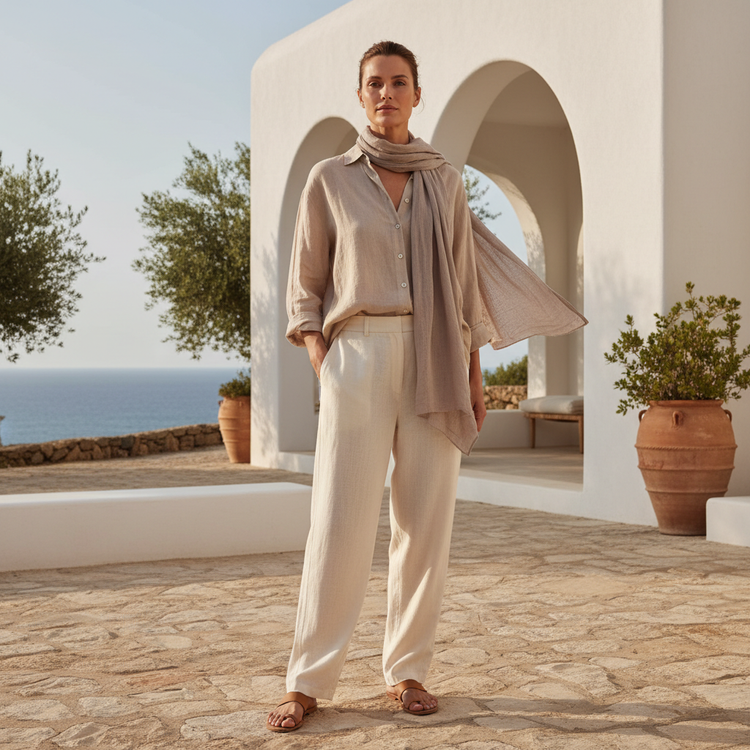
A relaxed linen shirt tucked loosely into trousers, a linen dress with sandals, or a linen jacket layered over a plain top all work well as everyday looks that require little effort to put together, which is a large part of why linen remains such a popular everyday fabric.