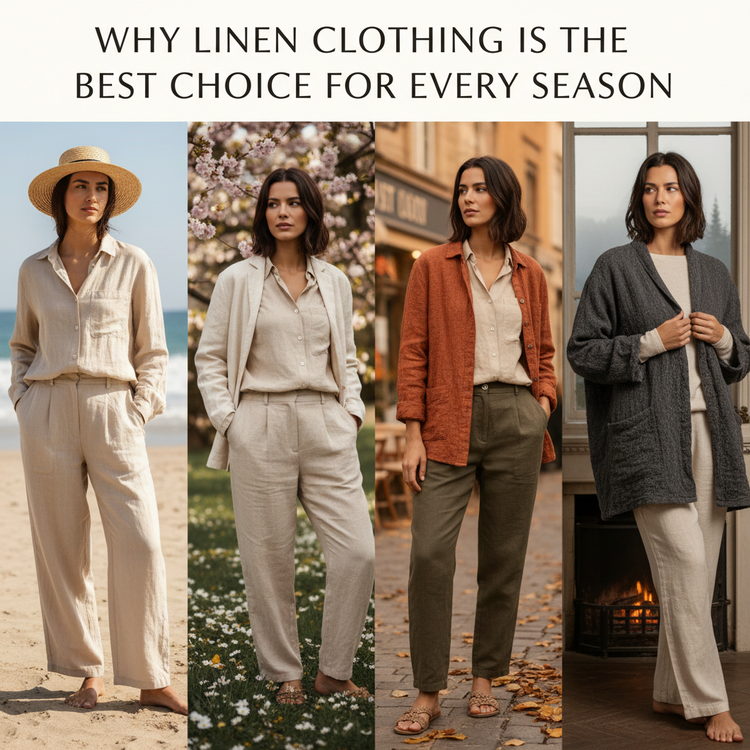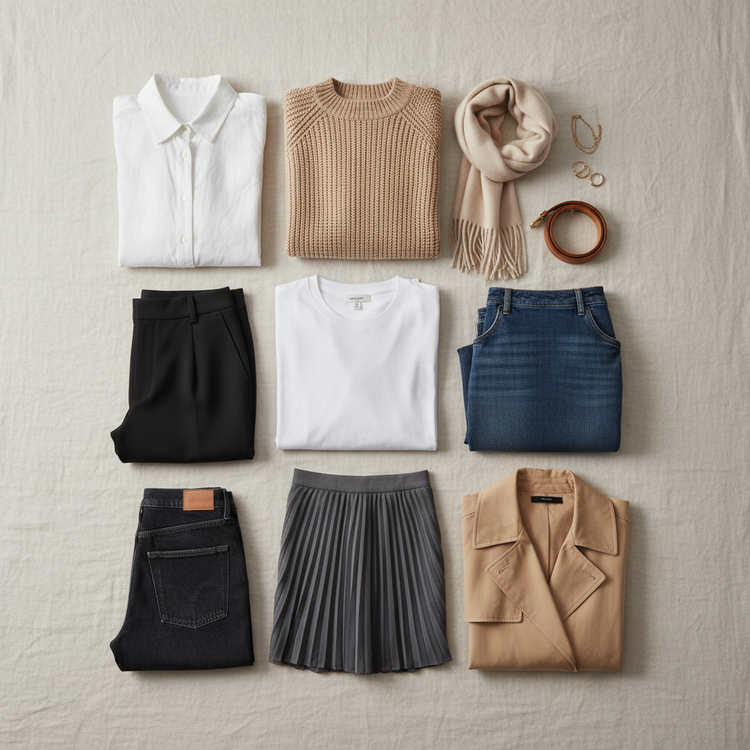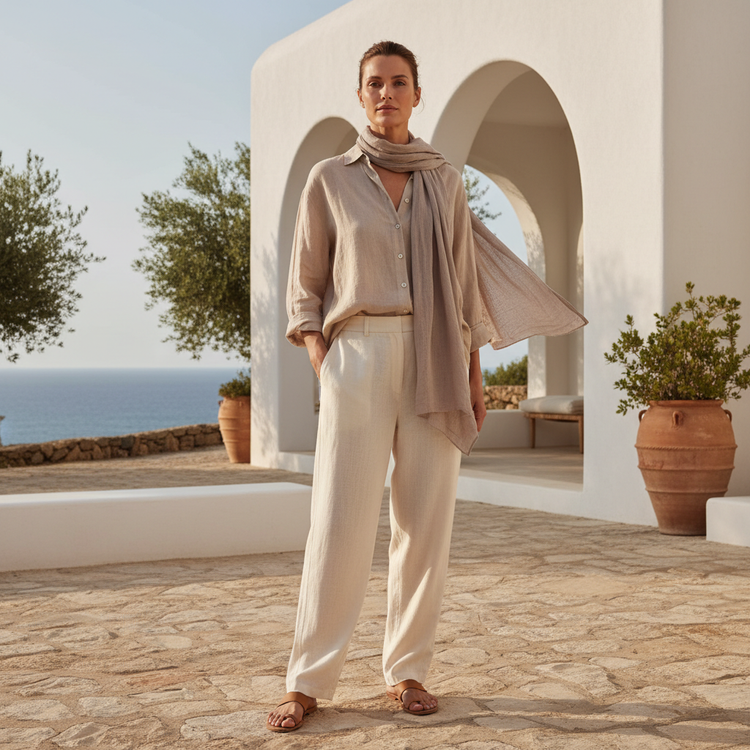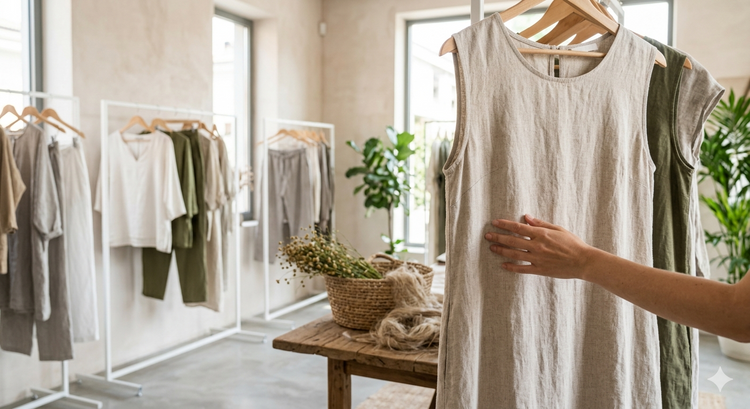

Linen and cotton show up in nearly every wardrobe and every wholesale rail, and both have earned their place. The question is not really which fabric is better in general, it is which one is better for the specific piece, season, and customer you have in mind.
This comparison walks through how Italian linen and Italian cotton actually differ, so you can choose with more confidence whether you are dressing yourself or stocking a shop.
Italian Linen vs Cotton at a Glance
Both are natural, biodegradable fibres, and Italian mills produce excellent versions of each, but they behave quite differently once made into a garment.
-
Linen is cooler and more breathable, cotton is warmer and softer
-
Linen creases easily, cotton holds a smoother finish
-
Linen strengthens and softens with age, cotton stays fairly consistent
-
Linen generally needs less water to grow, cotton generally needs more
What Is Italian Linen?
Italian linen is woven from flax fibre, often grown in Europe and processed through Italian mills known for their finishing techniques.
The fibre itself is naturally strong and slightly stiff when new, which is why linen has that characteristic textured, slightly crisp feel before it softens with washing and wear. Italian mills are particularly known for finishing processes that speed up that softening without weakening the fibre.
What Is Italian Cotton?
Italian cotton is typically spun from combed cotton fibre, a process that removes shorter, weaker strands before spinning to produce a smoother, stronger yarn.
The result is a fabric that feels soft immediately, without needing the same break in period that linen goes through. This makes Italian cotton a popular choice for garments where an instantly polished, smooth finish matters most.
Breathability Comparison
Linen has the edge here. Its fibre structure allows more airflow and moisture evaporation than cotton, which is why linen is the traditional choice for hot climates and peak summer heat.
Cotton is still breathable compared with synthetic fabric, but it holds slightly more moisture against the skin than linen does, which can make a noticeable difference during genuinely hot, humid conditions.
Comfort Comparison
Cotton wins on immediate comfort, since it feels soft straight off the rail with no texture to adjust to.
Linen wins on long term comfort, since repeated washing softens the fibre and the loose weave keeps you cooler once temperatures climb. Many people find linen becomes their preferred fabric specifically after the first few washes, once the initial crispness has worn off.
Durability Comparison
Linen fibre is naturally stronger than cotton fibre, which is part of why well made linen garments can last for decades with proper care.
Cotton is still durable, particularly Italian combed cotton, but it generally shows wear a little sooner than a comparable linen piece, especially with frequent washing at higher temperatures.
Wrinkle Resistance Comparison
Cotton resists creasing noticeably better than linen. Linen creases almost as soon as you sit down in it, which some people see as a flaw and others see as part of its relaxed, lived in character.
If a completely smooth finish matters for your use case, such as certain workwear settings, cotton is the more practical choice between the two.
Sustainability Comparison
Flax, the plant linen comes from, generally needs less water and fewer pesticides to grow than conventional cotton, giving linen a slight edge on raw material impact.
Both fibres are biodegradable and considerably more sustainable than synthetic alternatives, so the gap between them matters less than the gap between either one and polyester or other synthetic blends.
Which Fabric Is Better for Summer?
Linen is the stronger choice for peak summer heat thanks to its superior breathability and cooling effect.
Cotton still works well for summer, particularly in lighter weaves, but linen consistently feels cooler against the skin in genuinely hot conditions, which is why it remains the traditional fabric of choice across warm climates.
Which Fabric Lasts Longer?
With proper care, linen typically outlasts cotton, since the fibre itself is stronger and becomes more supple rather than more worn with repeated washing.
Cotton garments, especially lower grade cotton, tend to thin and pill sooner than a well made linen equivalent, particularly with frequent machine washing and drying.
Which Fabric Is Easier to Maintain?
Cotton is easier to maintain day to day since it needs less ironing and holds a pressed look for longer.
Linen needs more attention if you want it crease free, though many people now embrace the relaxed, slightly rumpled look as part of the fabric character rather than fighting it with constant ironing.
Which Fabric Should You Choose?
The right choice depends on what you value most in a garment, and both fabrics have a clear case for different situations.
-
Choose linen for breathability, long term durability, and a relaxed texture
-
Choose cotton for a smooth, low maintenance finish and immediate softness
-
Stock both if you are buying wholesale, since customers value each for different reasons