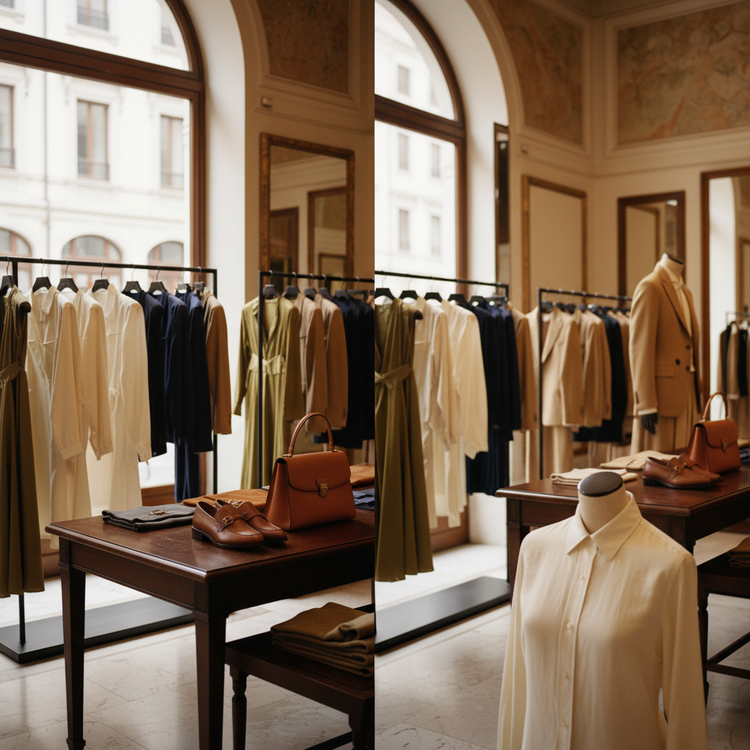

Ask most people to describe an Italian woman getting dressed and they will mention effortlessness before they mention any specific item of clothing. That effortlessness is not really effortless at all, it comes from a set of habits around fit, colour, and fabric that are easy to learn once someone points them out.
This guide walks through those habits, piece by piece, so you can build the same kind of wardrobe without needing to guess what to buy next.
What Defines Italian Women’s Style?
Italian women’s style is built around fit and fabric rather than trend chasing. Clothes are chosen to skim the body, sit well on the shoulder, and hold their shape after repeated wear, which is why the same handful of pieces tend to reappear in different combinations rather than being replaced every season.
This approach also explains why Italian outfits rarely feel dated a few years later. Because the starting point is proportion and material quality rather than whatever is trending that month, a well chosen piece keeps earning its place in the wardrobe long after a trend led equivalent would have been retired.
Why Italian Women Always Look Elegant
A lot of the elegance comes from restraint. Fewer pieces, worn more often, in colours that all work together, means every outfit looks considered even when it was put together quickly. Confidence in fit also plays a role, since clothes chosen to actually flatter the body will always read as more polished than clothes chosen purely because they are trending.
There is also a practical side to it. Italian women tend to invest more per piece and buy less overall, which means the clothes they do own fit properly and have been cared for. A well fitted, well maintained garment will almost always look more elegant than a larger wardrobe of items bought cheaply and replaced often.
Build an Italian Capsule Wardrobe
A working Italian capsule wardrobe rarely needs more than fifteen to twenty pieces, built around a small set of core items that combine easily with one another. The list below covers the pieces worth prioritising first, roughly in the order most Italian wardrobes are actually built.
Dresses
One or two linen or cotton dresses in a neutral shade cover most warm weather occasions, from a market morning to a dinner out.
Choose a relaxed cut over a fitted one, since it works across more body types and more occasions, and it tends to photograph and move better throughout the day.
Linen shirts
A relaxed linen shirt worn open over a top or buttoned with trousers is one of the most reused pieces in an Italian wardrobe.
It works equally well tucked into tailored trousers for a smarter look or knotted at the waist over a swimsuit, which is exactly the kind of versatility that earns a piece a permanent spot in the rotation.
Blazers
A soft, slightly oversized blazer instantly smartens a casual outfit and works across almost every season.
Look for one with minimal structure in the shoulder, since that relaxed cut is what gives it the Italian feel rather than the stiffer, more formal shape found in typical office tailoring.
Knitwear
Lightweight knits, particularly wrap or layering styles, bridge the gap between seasons without needing a full wardrobe change.
A fine gauge wool or cotton knit in a neutral tone will layer over almost anything already in the wardrobe, which is why most Italian capsule wardrobes include at least two or three of them.
Wide leg trousers
Wide leg or barrel leg trousers in linen or cotton give a relaxed silhouette while still looking put together.
They pair naturally with everything from a simple top to a blazer, and the wider cut is generally more forgiving and more comfortable for all day wear than a fitted alternative.
White trainers
A clean pair of white trainers is a genuine Italian wardrobe staple, worn with dresses as often as with trousers.
They keep an outfit grounded and practical, which matters in cities built for walking, and they are far more versatile than they might initially seem against a dress or tailored trousers.
Colours Italian Women Wear Most
Cream, camel, chocolate brown, olive, navy, and black make up most of an Italian wardrobe, with one warmer accent colour such as rust or terracotta introduced per outfit rather than several at once.
This limited palette is what makes mixing and matching so easy, since almost anything in the wardrobe already works with almost everything else. It also means new pieces can be added gradually without ever risking a colour that clashes with what is already owned.
How Italians Layer Their Clothes
Layering is used to extend a piece across seasons rather than to make a bold style statement. A linen dress gets a knit thrown over the top in early autumn, then a coat added on top of that once it turns colder, with the base outfit staying largely the same throughout.
This approach means fewer items are needed overall, since most pieces are doing double or triple duty. A single dress can realistically be worn from late spring through to early winter, simply by changing what sits over the top of it as the temperature drops.
Shoes Every Italian Woman Owns
Alongside white trainers, a well built shoe rotation usually covers warm weather, smart occasions, and cold weather without much overlap or excess.
-
Leather sandals for summer, chosen for comfort as much as style
-
A low block heel for dinners or smarter daytime occasions
-
A comfortable leather boot for autumn and winter wear
-
White trainers as the everyday, all season default
Accessories That Complete Italian Outfits
A structured leather handbag, a pair of simple gold or silver earrings, and a good pair of sunglasses do most of the work.
The goal is a small number of well made accessories used consistently, rather than a large collection worn only occasionally. A single quality bag carried daily will do more for an outfit, and represent better value, than several cheaper bags rotated infrequently.
Italian Fashion Rules You Should Follow
A few consistent habits explain most of what makes Italian outfits work, and they apply just as well to a market seller building stock as to someone building a personal wardrobe.
-
Buy fewer, better pieces rather than a large volume of cheaper items
-
Choose natural fabrics wherever the budget allows
-
Keep outfits to two or three colours at most
-
Let fit do more work than pattern or logo
Italian Style Mistakes to Avoid
The biggest mistake is treating Italian style as a costume, layering on obvious logos or loud prints in an attempt to look expensive.
A second mistake is buying pieces that are too tight, since the relaxed, body skimming fit is central to the look. A third is neglecting fabric care, which shortens the life of exactly the natural fibres that make the style work in the first place.
How to Wear Italian Fashion Throughout the Year
In spring and summer, linen dresses and relaxed trousers do most of the work, styled with sandals or trainers and very little else needed to look finished.
In autumn, knitwear and a soft jacket get layered over the same base pieces. In winter, a wool coat and boots go over everything, with scarves and gloves in the same neutral palette keeping the whole look cohesive rather than disjointed across the colder months.
Creating an Italian Look on Any Budget
You do not need designer labels to get this right. Buying wholesale linen and cotton pieces directly from Italian suppliers, focusing spend on well made basics rather than trend pieces, and sticking to a tight colour palette will get you most of the way there for a fraction of the cost of luxury fashion houses.
Prioritise spend on the pieces you will wear most often, such as trousers, a blazer, and a couple of dresses, and treat accessories and trend pieces as the areas where a lower budget matters far less to the overall effect.